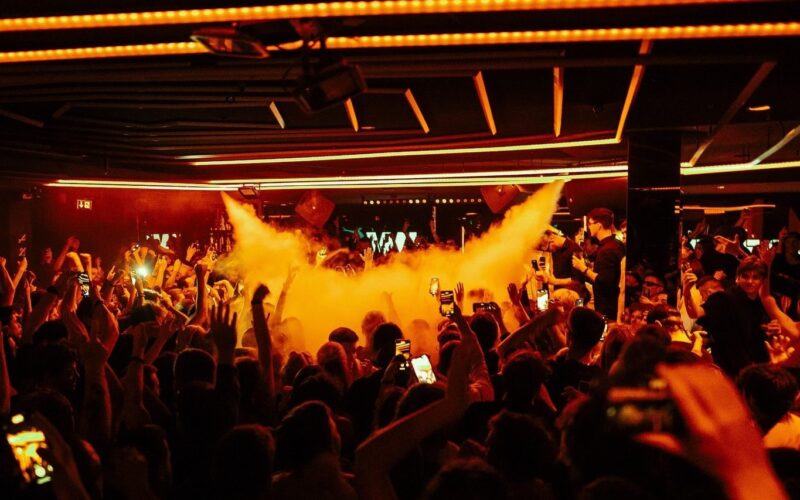
Munich has a reputation problem. People picture beer halls, early nights, and strict rules.
Then they step into the city after midnight and realize something does not add up.
Munich quietly runs one of the most consistent club scenes in Germany, with a strong focus on sound quality, thoughtful curation, and crowds that actually come to dance.
Techno purists, house lovers, and people who want a mixed night without chaos can all find their place here.
If you are wondering whether Munich nightlife is worth planning around, the short answer is yes. The long answer is below.
Munich’s club culture and why it feels different
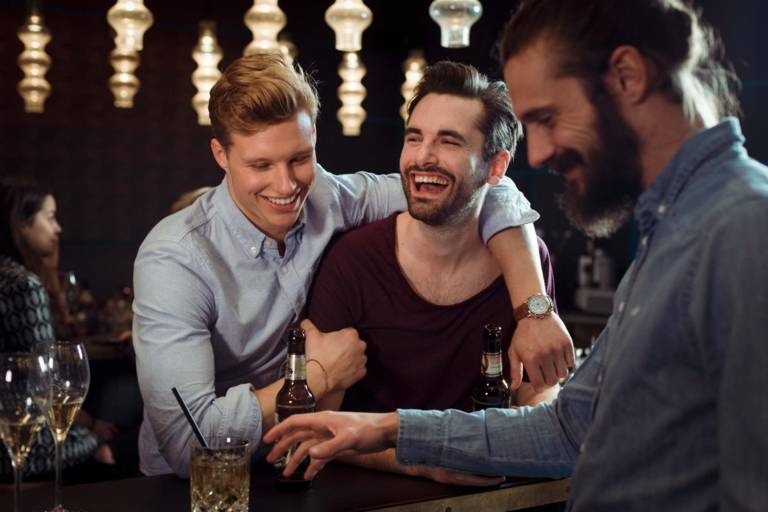
Munich clubs tend to prioritize structure over spectacle.
Door policies are firm but predictable, lineups are curated with intention, and venues invest heavily in sound systems rather than flashy interiors.
That approach shapes the entire night out.
In the first part of planning a night in the city, many visitors also think about how social energy flows after dark.
Upscale bars, late dinners, and curated social circles play a big role here, which is why services like Louisa Escort are a great example of Munich nightlife planning rather than as a separate scene.
The city favors discretion, quality, and clear expectations, and that carries into how nights unfold.
A typical club night starts later than you might expect. Midnight is warm-up time, not peak hour.
What sets Munich apart
- Strong focus on sound quality and acoustics
- Crowds that come to dance, not just pose
- Less trend chasing, more consistency
- Clear separation between techno spaces and mixed-format clubs
Blitz Club and the city’s modern techno identity
Blitz Club is often described as the backbone of Munich’s contemporary techno scene.
Located in the Deutsches Museum Verkehrszentrum area, it is built around a serious sound system and a room layout that puts the DJ and the dance floor at the center of everything.
The crowd here is focused. Phones stay mostly down, conversations stay short, and movement stays constant.
The booking policy leans toward deep techno, electro, and carefully selected house acts rather than mainstream names.
A typical Blitz night evolves slowly. Early hours feel spacious and immersive. Peak time hits late, often after 2 am, when the room locks into a steady rhythm that lasts until morning.
Did you know? Blitz was designed with input from sound engineers rather than interior designers, which is why the room feels minimal but acoustically precise.
If you want to experience Munich at its most serious, this is usually the first stop.
Rote Sonne and underground techno energy
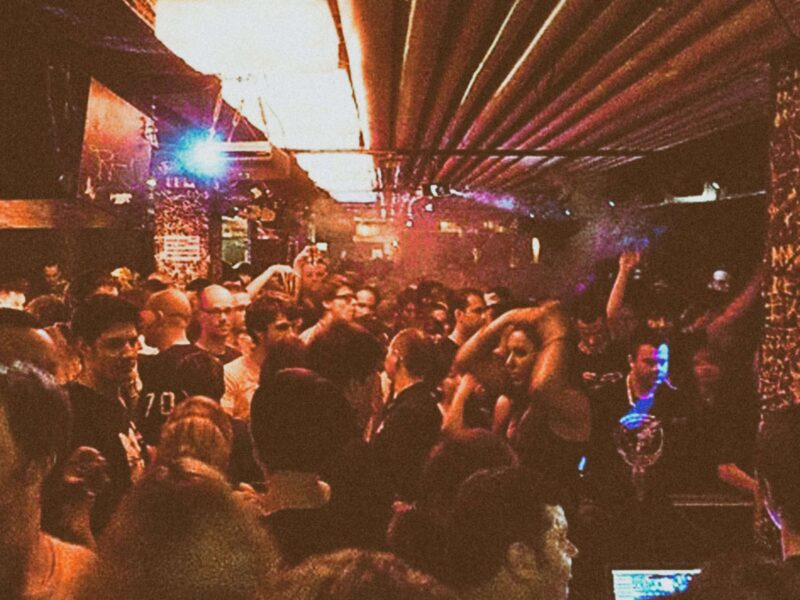
Rote Sonne sits closer to the raw end of the spectrum. Smaller, darker, and more intense, it attracts locals who prefer fast tempos and less polish.
The club has a long-standing reputation for hard techno, industrial sounds, and minimal lighting.
The space itself is compact, which creates immediate intimacy on the dance floor.
DJs play close to the crowd, and the energy builds quickly. There is less separation between early and late hours compared to larger clubs.
What makes Rote Sonne special is consistency. You know what you are getting, and that reliability keeps the crowd loyal.
Why people keep coming back
- Focus on underground techno
- No unnecessary distractions
- Tight dance floor energy
- Strong local DJ presence
It is not a place for casual wandering. You come with intention, or you feel out of place fast.
MMA Club and genre-fluid nights
MMA Club fills an important gap in Munich’s nightlife. It balances electronic music with hip hop, bass-heavy sets, and mixed-format nights that still feel curated rather than chaotic.
he venue itself is larger, with multiple areas that allow different moods to coexist.
Early in the night, MMA often feels social. Groups talk, move between rooms, and warm into the rhythm.
Later, the dance floors take over, especially during electronic-focused events.
This club works well if your group has mixed tastes. Some people want steady house, others want heavier beats, and MMA usually offers both within one night.
| Feature | What to expect |
| Music styles | House, techno, hip hop, bass |
| Crowd | Mixed locals and visitors |
| Best time | After 1:30 am |
| Atmosphere | Social early, dance-focused late |
It is a solid bridge between underground and accessible nightlife.
Neuraum and large-scale clubbing
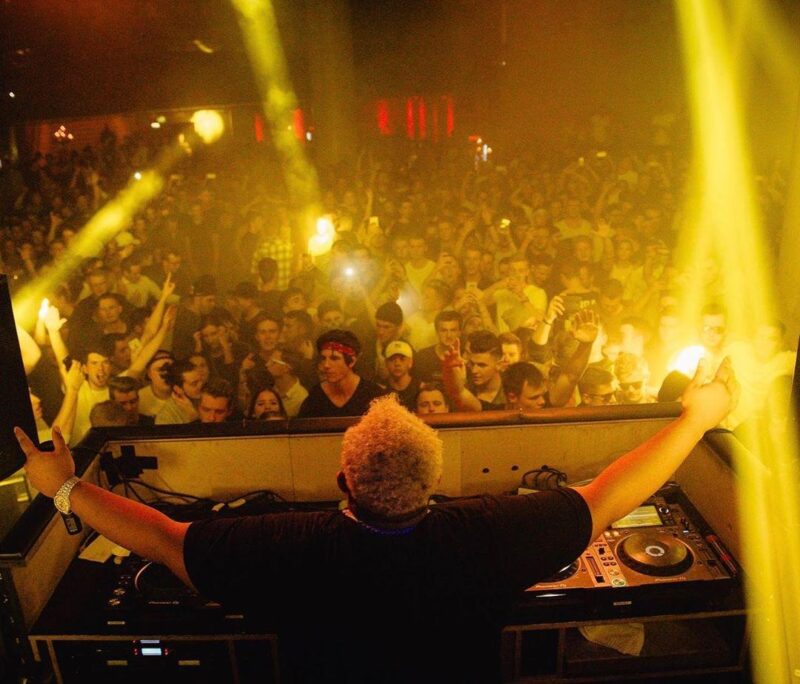
Neuraum is impossible to ignore. It is one of Munich’s largest clubs and operates more like a nightlife complex than a single venue. Multiple rooms, high production value, and themed floors define the experience here.
Music ranges from EDM and house to charts and techno depending on the room. That variety attracts a broad crowd, including tourists, students, and people celebrating special occasions.
Neuraum works best when you treat it as an all-in-one night rather than a quick stop.
You move between rooms, follow energy shifts, and settle where the vibe clicks.
Good to know before going
- Dress codes are more enforced here
- Expect lines on weekends
- Peak energy comes earlier than underground clubs
It is not subtle, but it is efficient if you want scale and variety.
Pimpernel and intimate electronic nights
Pimpernel is small, cozy, and unapologetically niche. It sits in the city center and leans toward melodic techno, house, and electronic crossover sounds. The club feels like a living room built for dancing.
The crowd here skews slightly older and more relaxed. People talk, dance, step outside, and return without pressure. DJs often play longer sets, which gives the night a narrative flow rather than constant drops.
This is the kind of place where you accidentally stay longer than planned because the atmosphere feels easy.
Interesting fact: Smaller Munich clubs like Pimpernel often allow DJs longer set times, which changes how music builds over the night.
If you prefer warmth over intensity, this venue delivers.
Unter Deck and alternative electronic culture
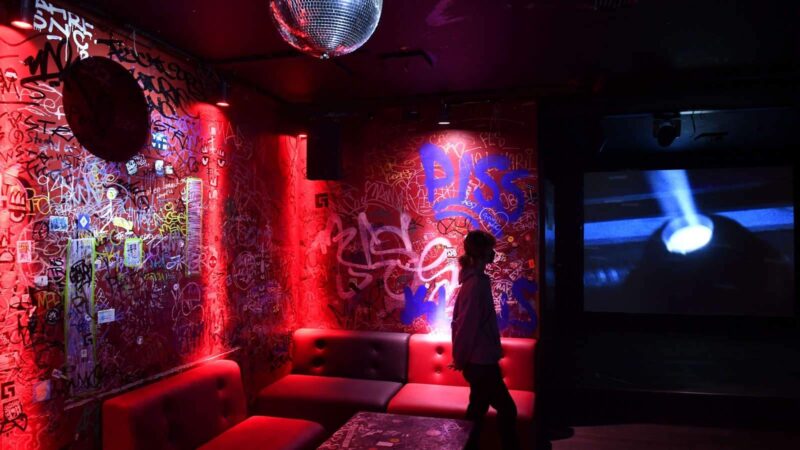
Unter Deck blends clubbing with alternative culture. It hosts electronic nights, live acts, and crossover events that attract creatives and long-time locals.
The venue is smaller, with a slightly rough aesthetic that feels intentional.
Music programming shifts from techno and house to experimental sounds depending on the night. That unpredictability keeps the crowd curious and open-minded.
Unter Deck nights often feel less about peak moments and more about shared experience. You might dance hard for an hour, then sit and talk, then return to the floor.
Why it stands out
- Community-driven atmosphere
- Varied programming
- No pressure to perform or impress
It is not a headline club, but it is a meaningful one.
Palais Club and polished mixed nights
Palais Club sits at the intersection of elegance and accessibility. The interior feels refined, and the crowd reflects that.
Music usually blends house, commercial electronic, and familiar tracks without feeling generic.
This is a popular choice for people who want to dress well, socialize, and still dance.
The energy stays controlled, and the night moves smoothly without sharp transitions.
Palais works particularly well earlier in the evening, before heading to something heavier later.
Best for
- Stylish nights out
- Group celebrations
- Mixed music preferences
It is predictable in a good way.
How to choose the right club night in Munich
Choosing a club in Munich is less about finding the biggest name and more about matching intention to atmosphere. The city rewards planning.
If you want immersive techno, aim for Blitz or Rote Sonne. If you want flexibility and social energy, MMA or Palais make more sense. For intimacy and warmth, Pimpernel and Unter Deck deliver.
Timing matters. Arriving too early or too late can change the experience entirely. Most clubs hit their stride well after midnight, and leaving before 3 am often means missing the best part.
The most important rule is simple. Pick one main destination, not five half-visits. Munich nights unfold slowly, and commitment usually pays off.
When you let the city set the pace, Munich nightlife stops being underestimated and starts making sense.